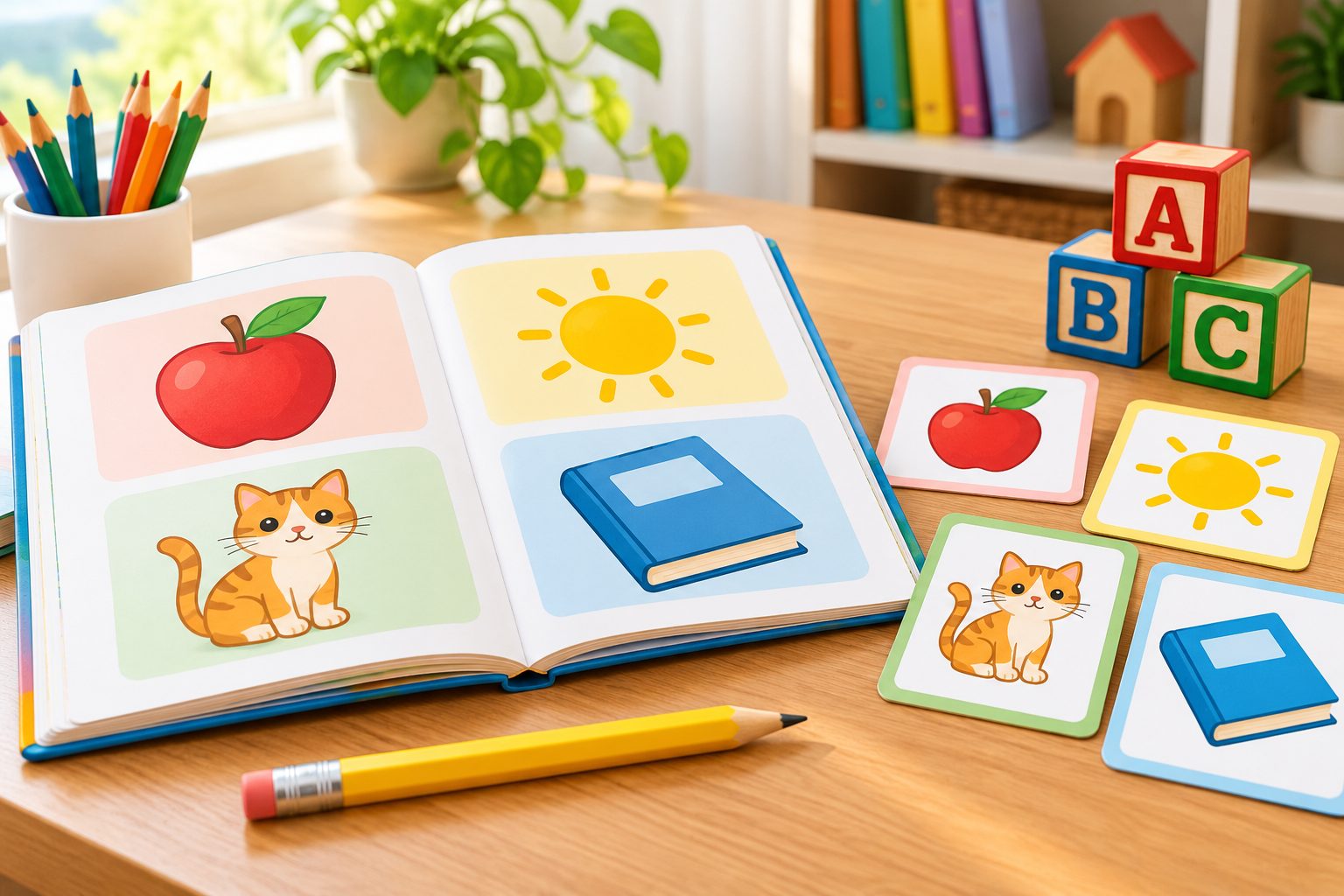
Knowing how to help children learn new words is one of the most valuable skills for parents, teachers, and caregivers. Vocabulary growth in early childhood shapes reading ability, school success, confidence, and communication skills for life. Children do not learn words simply by memorizing lists, they learn by hearing, seeing, touching, playing, and using language in meaningful daily moments. The good news is that you do not need expensive tools or formal lessons to support this process. With simple conversations, stories, games, and patient repetition, you can turn everyday routines into powerful learning opportunities. In this guide, you will learn why vocabulary matters, how children absorb language, practical activities, mistakes to avoid, and expert tips to make new words stick.
Whether you are raising a toddler who is saying first words or helping a school age child expand reading vocabulary, this article gives you clear, practical strategies. You will discover daily habits, fun activities, step by step methods, real life examples, and answers to common questions. Each section is designed to be easy to apply at home or in the classroom without pressure or stress.
Why Building Vocabulary Matters In Early Childhood
Early vocabulary is the foundation for thinking, learning, and connecting with others. Children with larger vocabularies find it easier to understand stories, follow instructions, and express needs and feelings clearly.
A rich word bank also supports early reading success. When children already know the meaning of words, they can focus on decoding and comprehension instead of struggling with unfamiliar terms on the page.
Language development is closely linked to confidence and social growth. Kids who can name objects, actions, and emotions participate more actively in play, make friends more easily, and solve small conflicts with words.
The early years are a sensitive period for brain development. Frequent, warm, and responsive talk builds neural connections that make future learning faster and more natural.
The best part is that vocabulary support fits into normal life. Cooking, shopping, walking, bathing, and bedtime are all chances to introduce and repeat helpful words with joy.
How Children Naturally Pick Up New Words
Children learn words best when language is meaningful, repeated, and connected to real experiences. Here is how that natural process works.
1. Learning Through Listening And Observation
Children first learn words by hearing them repeatedly in context long before they can say them. When you narrate what you do, name what they see, and respond to their sounds and gestures, their brains begin to link sounds with meanings. This passive exposure builds a strong base for later speaking and understanding.
2. Connecting Words To Real Objects And Actions
Kids remember words faster when they can see, touch, smell, or do what the word means. Saying apple while holding a real apple is far more powerful than showing a flashcard alone. Hands on experiences create strong mental images that help children recall and use new vocabulary correctly in daily conversations.
3. Learning Through Repetition In Daily Routines
Repetition is not boring for young brains, it is essential for memory. Hearing the same words during meals, bath time, and bedtime helps children move words from short term hearing to long term memory. Consistent routines give them many safe chances to hear, practice, and finally use words independently with growing confidence.
4. Copying Sounds Gestures And Expressions
Imitation is a natural learning tool for toddlers and preschoolers. They copy your mouth movements, tone, facial expressions, and hand motions while learning new terms. Encouraging playful imitation through songs, rhymes, and silly voices makes word practice enjoyable and strengthens pronunciation, rhythm, and memory without any pressure or formal drilling.
5. Asking Questions And Exploring Meanings
As children grow, they start asking what, why, and what is that to check their understanding. These questions show active learning and curiosity. When you answer simply, expand their sentence, and ask a gentle follow up question, you help them refine word meanings and learn how words work in different situations.
6. Using New Words In Play And Conversation
A word is truly learned when a child uses it on their own in a new situation. Pretend play, storytelling, and back and forth chats give them space to try words, make mistakes, and improve. Praise their effort, repeat the word correctly, and add one more descriptive word to stretch their learning further.
Simple Daily Habits To Help Children Learn Words
Small language rich habits done every day have more impact than occasional lessons. Try these simple routines to build vocabulary naturally.
1. Narrate Everyday Activities Out Loud
Talk through what you are doing in short, clear sentences throughout the day. For example, say now we wash the red apples, then we cut them into slices. This constant narration exposes children to verbs, nouns, colors, and sequencing words in a real context that makes abstract language concrete, memorable, and easy to understand over time.
2. Read Aloud For Fifteen Minutes Daily
Daily read aloud time is one of the strongest predictors of vocabulary growth. Choose picture books with rich language, point to images, use expressive voices, and pause to explain tricky words. Rereading favorites is valuable because familiarity helps children notice new words, predict phrases, and eventually retell the story using those words themselves.
3. Sing Songs And Recite Short Rhymes
Songs break language into rhythm, rhyme, and repetition, which makes words easier to remember. Action songs teach body parts and verbs, counting songs teach numbers, and silly rhymes teach sound patterns. Sing the same songs often, slow down for key words, and let your child fill in missing words to build active recall.
4. Ask Open Ended Questions During Play
Instead of asking yes or no questions, ask what, where, and how questions that invite longer answers. For example, what should we build with these blocks or how does the lion feel. Give plenty of wait time, listen patiently, and repeat their answer with one new word added. This stretches thinking and teaches sentence structure naturally.
5. Label Feelings And Describe The World
Help children learn emotion and descriptive words by naming what they feel and see. Say you look frustrated because the tower fell or the leaves are crunchy and brown. Rich adjectives and feeling words give children tools to express themselves calmly. Over time, they will start using these descriptive words without prompting in their own speech.
6. Create A Word Rich Home Environment
Surround your child with spoken and printed words in a relaxed way. Name objects on shelves, describe pictures on walls, talk about food labels, and keep books within reach. When children hear varied words for textures, sizes, tastes, and actions every day, they build a broad network of vocabulary that supports school learning and curious conversation.
Fun Activities That Help Kids Learn New Words
Play based learning keeps children motivated and helps new words stick. These activities work well for toddlers through early elementary age.
1. Picture Book Word Hunts And Predictions
Turn reading into a game by hunting for specific words or pictures on each page. Say can you find something enormous or what do you think happens next. Point to the word, act it out, and use it in a silly sentence. This playful focus teaches children to notice new vocabulary, connect it to illustrations, and remember it through fun interaction.
2. Sensory Bins And Nature Exploration Walks
Fill a bin with rice, sand, or water and hide small objects with different names, textures, and shapes. On walks, collect leaves, listen for birds, and describe what you find. Touching, sorting, and naming real items builds strong sensory memories. Describe size, weight, and feeling to add adjectives while children explore with curiosity and joy.
3. Pretend Play Stores Kitchens And Clinics
Set up a pretend grocery store, restaurant, or doctor clinic with props, menus, and signs. Role play naturally introduces themed vocabulary like customer, appointment, ingredients, and change. Take turns being the seller and buyer. Writing simple lists and saying the words aloud gives children repeated, meaningful practice in a social and imaginative setting.
4. Sorting Matching And Naming Games
Play sorting games with colors, animals, foods, or clothes by category, size, or function. Say let us put all the vehicles here and all the fruits there. Matching and sorting teaches category words, opposites, and descriptive language. Ask your child to explain their choice, which encourages reasoning, full sentences, and correct use of new group names.
5. Art Storytelling And Word Drawing
Invite your child to draw a picture and tell you the story behind it. Ask who is in the picture, where are they going, and what happens next. Write down their words and read them back. This connects spoken and written language, teaches storytelling words like first, then, and finally, and shows children that their words have lasting value.
6. Simple Word Games And Puzzles For Families
Play age appropriate games like I Spy, animal guessing, rhyming bingo, or picture puzzles. Give clear clues, celebrate effort, and explain unfamiliar words with examples. Short ten minute game sessions keep attention high. Regular family word play builds listening skills, turn taking, categorical thinking, and a positive attitude toward learning language together.
Benefits Of Helping Children Build Strong Vocabulary
A strong vocabulary supports almost every area of child development. When you help children learn new words consistently, you give them tools for learning and life.
- Better Reading Comprehension: Children who know more word meanings understand stories and school texts more quickly and accurately.
- Stronger Communication Skills: A large word bank helps kids express needs, ideas, and emotions clearly without frustration.
- Higher School Confidence: Knowing key terms makes it easier to follow lessons, answer questions, and join discussions.
- Improved Thinking Ability: Words help children compare, categorize, reason, and solve everyday problems more effectively.
- Stronger Social Connections: Kids with good language skills make friends, share, take turns, and resolve conflicts peacefully.
- Lifelong Love Of Learning: Curiosity about words leads to curiosity about books, science, cultures, and new ideas.
Step By Step Process To Teach New Words At Home
Use this simple routine to introduce any new word so your child hears it, understands it, and remembers to use it.
- Choose One Useful Word: Pick a word your child will see often, like pour, slippery, generous, or nocturnal.
- Say It Clearly: Pronounce the word slowly, let your child hear the sounds, and invite them to repeat it.
- Show What It Means: Use a real object, picture, gesture, or short demo so the meaning is obvious.
- Use It In A Sentence: Give two simple examples from daily life so the child hears the word in context.
- Invite Your Child To Try: Ask them to say the word, point to it, or use it in their own short sentence.
- Connect To Known Words: Link the new word to a familiar word, like huge means very, very big.
- Repeat Through The Week: Use the word at meals, in play, and in stories to build strong memory.
- Celebrate And Review: Praise correct use and gently review older words during bedtime chats or walks.
Common Mistakes To Avoid When Teaching New Words
Well meaning adults sometimes slow down word learning without realizing it. Avoiding these mistakes keeps learning positive and effective.
1. Teaching Too Many Words At Once
Introducing a long list of new words in one sitting overwhelms young memory and reduces retention. Children need time to hear, process, and practice each word in different contexts. Focus on one to three useful words per day or per book. Deep practice with a few words builds stronger understanding than shallow exposure to many disconnected terms.
2. Correcting Pronunciation Too Harshly
Frequent harsh correction can make children afraid to speak and try new language. Instead of saying no, that is wrong, repeat the word correctly in a warm tone and praise the effort. For example, say yes, caterpillar, great trying. Gentle modeling protects confidence while still giving a clear example of correct pronunciation and usage.
3. Relying Only On Flashcards And Drills
Flashcards alone teach recognition without real meaning or joyful use. Children may recite a word but not understand when to use it. Always pair cards with stories, objects, actions, and conversations. Let them touch, act out, and apply the word in play. Meaningful context turns isolated memorization into flexible, lasting vocabulary knowledge.
4. Asking Only Yes Or No Questions
Closed questions limit talking time and hide what a child really understands. If you only ask is this a dog, you miss chances to hear descriptive language. Ask open prompts like what is the dog doing or tell me about this picture. Longer answers reveal gaps, invite new words, and give you natural openings to expand their sentences.
5. Skipping Repetition And Follow Up Review
Many adults introduce a word once and assume the child knows it. Without spaced repetition, new words fade quickly from memory. Plan to revisit words after one day, one week, and one month in new sentences and games. Brief reviews during car rides or meals strengthen recall and show children how words work in different situations.
6. Using Baby Talk For Too Long
Cute simplified speech is fine for very young babies, but staying with it too long limits growth. Gradually replace vague words like doggy woggy with clear words like fluffy puppy or barking dog. Use correct grammar, rich adjectives, and full sentences. Children rise to the language level they hear most often from trusted adults.
Best Practices For Helping Children Remember Words
These proven practices make word learning stick without pressure. Use them at home, in preschool, or in early grades.
1. Keep Language Warm Responsive And Patient
Children learn fastest when they feel safe, heard, and valued. Get down to eye level, listen fully, respond to their attempts, and expand what they say. A calm and encouraging tone invites more talking. When conversation feels like connection rather than testing, children volunteer new words more often and remember them with positive feelings attached.
2. Teach Words In Meaningful Groups And Themes
Group related words together around a theme like kitchen, garden, weather, or feelings. Learning pour, stir, chop, and taste together makes more sense than random words. Themes create mental links that aid recall. Use books, play, cooking, and outings on the same theme during the week to give repeated exposure in varied but connected ways.
3. Combine Hearing Seeing Doing And Saying
Multi sensory learning builds stronger memory traces for young learners. Let children hear the word, see a picture, touch the object, act out the meaning, and say it aloud. For example, for the word stretch, stretch your arms together while saying it. Engaging several senses at once helps different learners remember more reliably and joyfully.
4. Read Reread And Retell Favorite Stories
Rereading is powerful because each reading lets children notice something new. First they follow the plot, then they notice pictures, then they pick up vocabulary. Pause to explain, act out words, and let them finish familiar phrases. After reading, invite them to retell the story in their own words using the new terms they heard.
5. Personalize Words To Your Child Interests
Words tied to a child passion are remembered much faster. If they love dinosaurs, teach enormous, fossil, stomping, and extinct. If they love baking, teach sprinkle, knead, delicious, and recipe. Follow their curiosity, borrow library books on that topic, and use play to practice. Personal relevance turns effortful learning into excited discovery and proud sharing.
6. Model Rich Language Without Overexplaining
Use interesting adult words naturally in short sentences, then give a quick child friendly clue. Say the soup is steaming, that means very hot. Keep explanations brief and return to play or story. Over lecturing loses attention. Short, natural models repeated over time teach children to infer meaning from context, which is a key reading skill.
Advanced Tips To Help Children Learn Words Faster
Once basic habits are in place, these advanced strategies help children move from knowing words to using them confidently.
1. Teach Word Parts Prefixes And Suffixes Playfully
Older preschoolers and school age kids can learn how parts build meaning. Show how unhappy means not happy and replay means play again. Use blocks or cards to build and take apart words. Understanding common parts helps children guess new words while reading and gives them tools to create correct longer words in speaking and early writing tasks.
2. Compare Synonyms Antonyms And Shades Of Meaning
Move beyond single definitions by exploring similar and opposite words together. Compare big, huge, and gigantic or happy, cheerful, and thrilled. Act them out on a scale from small to large. Discussing subtle differences builds precise language, improves writing, and helps children choose the best word for their feelings and stories with growing maturity.
3. Build Storytelling And Sequencing Skills Daily
Ask your child to tell what happened today using first, next, then, and finally. Sequence picture cards, retell a trip, or invent an adventure. Storytelling forces children to recall words, order events, and connect ideas. Regular narration practice strengthens memory, grammar, and vocabulary at once while building confidence as a capable communicator and thinker.
4. Use Real World Projects And Simple Journals
Start a nature notebook, recipe book, or building diary where your child draws and labels what they learn. Write the word together, say it, and use it in a sentence. Reviewing the journal weekly reinforces spelling, meaning, and pride. Hands on projects give words a purpose and create a personal dictionary children love to revisit and share.
5. Encourage Multilingual And Cultural Word Exploration
If your family speaks more than one language, celebrate it as a strength. Compare words across languages, sing songs in each language, and name foods and traditions correctly. Learning that objects can have two names builds flexible thinking. It also builds pride, cultural connection, and deeper understanding of how language works for communication and belonging.
6. Play With Categories Analogies And Word Maps
Create simple word maps with a central word and branches for what it looks like, what it does, and where you find it. Play which one does not belong and why. Grouping, comparing, and explaining relationships strengthens higher level thinking. These visual and verbal organizers help school age children retain academic vocabulary across science, math, and social studies topics.
What Affects How Children Learn New Words At Different Ages
Every child learns at a unique pace, but age and environment shape how quickly new words stick. Keep these points in mind when you plan practice.
Hearing And Health Needs: Frequent ear infections, hearing issues, or lack of sleep can slow language uptake, so regular checkups and restful routines support steady vocabulary growth.
Amount Of Daily Conversation: Children who hear more back and forth talk during meals, play, and errands encounter thousands more words each week than those in quiet environments.
Book Access And Reading Time: Homes and classrooms with varied books expose kids to rare words they rarely hear in casual speech, which boosts school readiness.
Play Opportunities And Curiosity: Active play with peers, nature, and open ended toys creates natural reasons to ask questions, negotiate, and try descriptive language.
Age And Attention Span: Toddlers learn best in two minute bursts with movement, while older children can handle longer stories, games, and journaling sessions.
Learning Differences And Support: Some children need extra repetition, visual aids, or speech support, and early gentle help leads to strong long term progress.
Emotional Safety And Encouragement: Patient listeners who praise effort and expand answers motivate children to speak more, which creates more chances to practice new words.
Frequently Asked Questions
1. How Many New Words Should My Child Learn Each Week
Focus on quality over quantity rather than a fixed number. For toddlers, one to three useful words per week with deep repetition is plenty. Preschoolers can handle three to five words, while school age kids can learn five to ten through reading and themes. Consistent review and real use matter more than hitting a high count quickly.
2. What Is The Best Age To Start Teaching Vocabulary
Vocabulary learning starts from birth through talking, singing, and cuddling. Newborns benefit from hearing your voice, babies from naming routines, and toddlers from picture books and play. There is no need to wait. The earlier you create a warm, word rich environment with responsive conversation, the stronger the foundation for later reading and school success.
3. How Can I Help A Shy Child Speak More
Create low pressure chances to talk through play, drawing, puppets, and shared reading. Offer choices, pause patiently, and accept gestures plus single words at first. Praise any attempt warmly and expand it gently. Avoid forcing performance in front of others. Regular one on one chats during walks or bedtime often help shy children open up gradually.
4. Should I Teach Words In Two Languages At Once
Yes, learning two languages is a strength, not a confusion. Use each language consistently, read books in both, and name everyday objects in each tongue. Children may mix languages at first, which is normal. Over time, rich exposure to both builds flexible thinking, cultural pride, and a larger overall concept vocabulary that supports academic learning.
5. How Do I Know If My Child Needs Speech Help
Every child develops differently, but check with a pediatrician if your toddler uses very few words by age two, is hard to understand by age three, or avoids talking. Other signs include poor eye contact, frustration when communicating, or loss of words. Early evaluation is supportive, not alarming, and timely guidance often leads to fast, lasting improvement.
6. Do Educational Videos Help Children Learn New Words
High quality programs with slow speech, repetition, and interaction can introduce some words, but they cannot replace live conversation. Children learn most from responsive adults who answer, expand, and play. If you use videos, watch together, pause to discuss, repeat key words, and connect them to real life with objects and outdoor exploration afterward.
Conclusion
Learning how to help children learn new words is about connection more than curriculum. Daily talk, shared books, playful routines, patient repetition, and joyful encouragement build vocabulary step by step. Avoid overload and harsh correction, and focus on meaningful use in real moments.
Start small today by narrating one routine, reading one book, and celebrating every new word attempt. With consistent love, listening, and language rich play, your child will grow into a confident communicator and curious lifelong learner.