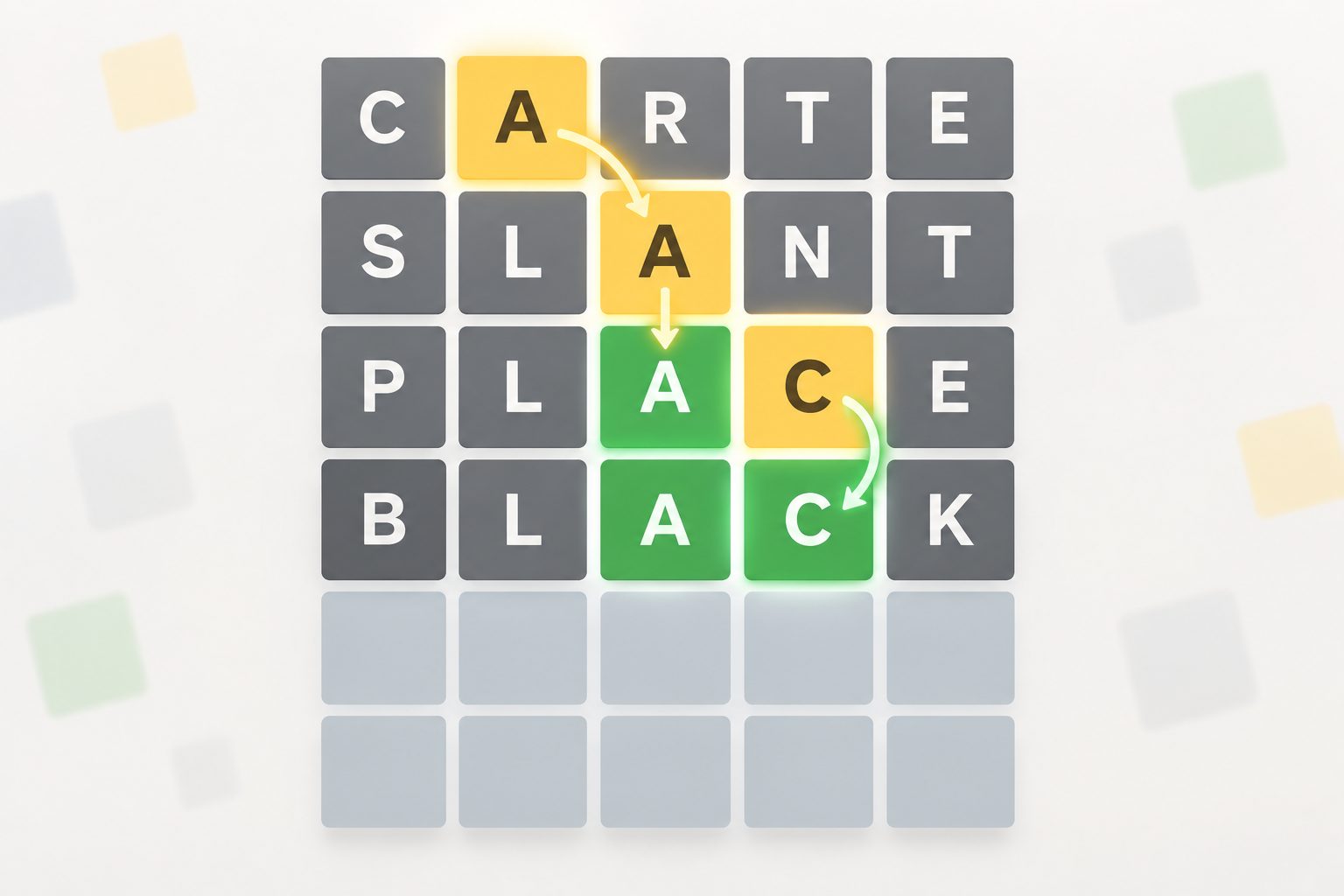
If you have ever stared at a Wordle grid with only two chances left, you already know how do hints help solve a wordle puzzle under real pressure. A good hint does not simply give away the answer, it reshapes how you think about the remaining possibilities and helps you eliminate wrong paths quickly. Instead of guessing blindly, you start using clues about letter position, word meaning, and common patterns to narrow the field. In this guide, you will learn what Wordle hints are, why they work, how to use them step by step, and which mistakes to avoid. You will also see practical examples, best practices, expert tips, and answers to common questions that make daily solving easier and more fun.
Many players love Wordle because it looks simple but feels challenging every morning. You get six tries to find a five letter word, and the color tiles tell you what is right and wrong. Hints add another helpful layer on top of those colors by giving you direction when you feel stuck. They can remind you of word structure, suggest smarter starting words, and keep your win streak alive without spoiling the satisfaction of solving it yourself.
Why Wordle Hints Improve Solving Success
Hints improve Wordle results because they turn random guessing into focused logic. They help you interpret colors correctly and choose words that test the most useful letters.
1. Hints Reduce Random Guessing Quickly
Random guesses waste valuable attempts and often repeat letters you have already ruled out. A helpful hint pushes you to pick words that test new vowels, common consonants, or unfamiliar positions instead. This focused approach saves turns, lowers stress, and increases your chance of finding the correct five letter word before you run out of rows.
2. Hints Clarify Letter Position Logic
Many players misread yellow and green tiles when they are tired or rushed. A good hint reminds you that green means locked position, yellow means wrong spot but present, and gray means likely absent. With that clarity, you can build your next guess around confirmed letters, move yellow letters to new places, and avoid reusing gray letters in the same puzzle.
3. Hints Highlight Common Word Patterns
English five letter words follow familiar structures like consonant vowel consonant combinations, double letters, and common endings. Hints often point you toward patterns such as SH, CH, CK, OUND, or E ending words. Recognizing these patterns helps you generate stronger candidates faster instead of trying unusual letter mixes that rarely appear in Wordle answers.
4. Hints Preserve Win Streak Motivation
Losing a long streak can feel discouraging and make the game less enjoyable. Hints give you a safety net on difficult days by offering just enough guidance to stay alive. You still do the thinking, but you avoid a painful loss caused by one blind guess. That balance keeps motivation high and encourages you to return every day.
5. Hints Speed Up Morning Solving Routine
Most people play Wordle during a busy morning with limited time for deep thought. Hints shorten the decision process by suggesting which letter group to test next. Instead of spending ten minutes cycling through possibilities, you can solve in three to four minutes. This efficiency makes the puzzle fit easily into coffee breaks, commutes, and classroom warm ups.
6. Hints Build Long Term Vocabulary Skills
Over time, well designed hints teach you how words are built and how letters interact. You learn which starters reveal the most information, which endings are common, and how to spot tricky double letters. These lessons carry over to future puzzles, so you need fewer hints later. Your overall word sense, spelling confidence, and pattern memory all improve steadily.
How Wordle Puzzle Hints Narrow Word Choices
Wordle hints work by shrinking a huge list of possible words into a small manageable group. Each clue removes unlikely options until the answer becomes clear.
1. Starting Word Hints Reveal Key Vowels
Your first two guesses should uncover the most common vowels and consonants in the puzzle. A hint may suggest starting with words like SLATE, CRANE, or ADIEU to test A, E, S, T, and R quickly. Once you know which vowels are present, you can eliminate hundreds of words that do not fit. This early filtering makes every later guess far more accurate.
2. Color Based Hints Refine Letter Placement
After each guess, colors give direct positional feedback that hints help you apply correctly. If you have one green and two yellows, a hint might advise locking the green letter and testing the yellows in completely new spots. This prevents repeating failed positions and forces you to explore only valid arrangements, which dramatically reduces the remaining word pool.
3. Meaning Hints Connect Theme And Context
Some hint styles give a short definition, synonym, or category without revealing letters. For example, a hint like something you drink in the morning points toward words like LATTE or MOCHA. This semantic direction is powerful when letter clues alone leave too many options. It helps your brain recall relevant vocabulary instead of cycling through unrelated words.
4. Letter Frequency Hints Guide Smarter Guesses
Not all letters appear equally in Wordle answers, and hints often remind you to favor frequent letters. Letters like E, A, R, O, T, L, and S show up far more than Q, Z, X, or J. A frequency hint encourages you to test common letters first and save rare letters for later. This simple priority system prevents wasted guesses on unlikely combinations.
5. Elimination Hints Remove Impossible Words
Strong players win by eliminating, not just by guessing correctly. A hint may tell you to list all letters already ruled gray and avoid them completely. It may also warn against reusing a yellow letter in the same spot. This elimination mindset clears mental clutter and helps you focus only on fresh letters and new positions that still have potential.
6. Endgame Hints Protect Final Attempts
The last two rows are where most losses happen, especially with tricky words that share patterns. An endgame hint might suggest testing multiple possible endings with a burner word that checks several letters at once. For example, if the pattern could be LIGHT, NIGHT, or FIGHT, a word like FLING can reveal which path is correct without risking your final guess.
Key Wordle Hint Benefits For Daily Players
Daily players gain steady advantages from hints that go beyond single puzzle wins. These benefits improve consistency and enjoyment over time.
- Better Accuracy: You solve more puzzles in four tries or fewer because guesses are based on logic rather than luck.
- Less Frustration: You avoid getting stuck on the same pattern for too long and keep the game relaxing.
- Longer Streaks: You protect win streaks on hard words with double letters or uncommon spellings.
- Faster Learning: You pick up common openings, endings, and letter pairs that repeat across many answers.
- More Confidence: You approach each new puzzle calmly because you have a clear method to follow.
- Shared Fun: You can discuss hints with friends and family without spoiling the exact answer.
Step By Step Wordle Solving Process With Hints
This simple process shows how to combine game colors with outside hints for steady daily wins.
- Pick A Strong Starter: Begin with a word rich in common vowels and consonants to reveal the most information in one move.
- Read The Colors Carefully: Mark greens as locked, move yellows to new spots, and list gray letters to avoid completely.
- Check A Light Hint: Look at a category or starting letter hint only if you feel stuck after the second guess.
- Choose A Testing Word: Play a second word that introduces fresh common letters instead of repeating what you know.
- Narrow By Pattern: Think of common chunks and endings that fit your confirmed letters and eliminate the rest.
- Use A Burner If Needed: On tricky fourth guesses, use a word that tests several possible letters at once.
- Confirm Before Final Guess: Mentally check that your answer uses greens correctly and includes all yellows.
- Review After Solving: Note what worked, which hint helped most, and what you will repeat tomorrow.
Why Wordle Hint Strategy Matters For Streaks
A clear hint strategy is the difference between casual play and consistent streak building. It gives you a repeatable method for hard and easy days alike.
Without a plan, players often repeat yellow letters in the same place or reuse gray letters by accident. A strategy forces you to pause, write down what you know, and pick the next word with purpose. That small pause prevents most careless losses.
Strategy also helps you manage risk across six rows. Early rows are for discovery, middle rows are for narrowing, and final rows are for precision. Hints fit naturally into this flow by guiding each stage without taking over your decision making.
For example, if you know the word ends in Y and contains R, a strategic hint will push you toward words like MERRY, FERRY, or CARRY rather than random guesses. You test the pattern family instead of hoping for luck.
Over weeks, this disciplined approach builds confidence and protects long streaks. You will still face tough puzzles, but you will have tools to survive them calmly and keep your record intact.
Examples Of Wordle Puzzle Hints In Action
Concrete examples show how small clues lead to smart guesses without revealing the answer directly.
1. Definition Hint For A Common Object
Imagine your letters show A and E present but positions unclear, and the hint says a place where bread is made. Your brain quickly jumps to bakery related words like BREAD, TOAST, OVEN, or WHEAT. Combined with the known letters, you can test BAKERY style options and narrow fast. The meaning clue cuts through hundreds of unrelated A and E words.
2. Starting Letter Hint For Narrowing
Suppose after two guesses you know O and U are present but you have many possibilities left. A hint that the word starts with C might leave you with words like CLOUD, COULD, COUNT, or COURT. That single letter reduces the search space dramatically. You can then use your next guess to test which middle pattern fits best.
3. Vowel Pattern Hint For Structure
Consider a puzzle where no vowels have turned green yet and you feel lost. A hint that the pattern is consonant vowel vowel consonant consonant points to words like BEARD, HEARD, or LEAST. You now know to look for double vowel teams such as EA or OU. This structural guidance is often more useful than another random guess.
4. Ending Hint For Tricky Finals
Many Wordle answers end in common chunks like TCH, IGH, OUND, or ASTE. If you have I and H yellow and the hint says think of illumination, words like LIGHT, NIGHT, or BRIGHT come to mind. You can then play a burner word to decide between L, N, and B. The ending hint prevents wasting final attempts on wrong branches.
5. Double Letter Hint For Hidden Traps
Double letters cause many late game losses because players assume all letters are unique. A hint like the word contains a repeated vowel or repeated consonant changes your thinking immediately. You start considering words like APPLE, CIVIC, KNOCK, or FEEL instead of ignoring repeats. That awareness can save your fifth and sixth guesses.
6. Theme Hint For Memory Recall
A theme hint such as related to weather or related to music activates a specific word group in your mind. If you know S and T are present and the theme is weather, STORM, FROST, SLEET, or CLOUD become natural candidates. The theme acts like a filter that organizes your vocabulary and speeds up recall under time pressure.
Common Wordle Hint Mistakes To Avoid
Hints only help when used wisely. These common errors reduce their value and lead to avoidable losses.
1. Looking At The Full Answer Too Early
Checking the exact solution after one bad guess removes the learning and fun from the puzzle. You miss the chance to practice letter logic, pattern spotting, and elimination skills. Instead, start with a gentle hint like word category or starting letter. Save stronger clues for later rows when you truly need them to protect your streak.
2. Ignoring Green And Yellow Feedback
Some players read a hint but forget to apply the color information they already earned. They guess words that contradict a green lock or place a yellow letter in the same failed spot. Always reconcile hints with tile colors before submitting. A hint should refine your logic, not replace the basic rules of letter placement.
3. Reusing Gray Letters Repeatedly
Repeating ruled out letters is one of the fastest ways to waste attempts. Even with a helpful meaning hint, you must filter candidates through your gray list. Keep a quick written note of dead letters beside the grid. If a possible word contains any of them, skip it and choose a cleaner test word that respects elimination.
4. Using Too Many Hints At Once
Stacking a definition, starting letter, and ending all together essentially reveals the answer and spoils the challenge. It also prevents you from developing independent solving skills. Use hints in layers, starting light and increasing only if you remain stuck. This gradual approach keeps the puzzle satisfying while still giving support when needed.
5. Choosing Obscure Guesses Over Common Words
Wordle answers tend to be familiar everyday words rather than rare terms. A hint about a kitchen item more likely points to KNIFE or SPOON patterns than to exotic vocabulary. When hints are vague, favor common words first. Obscure guesses rarely match the answer list and often waste a critical middle row.
6. Skipping The Burner Word Strategy
When several answers share four letters, guessing one directly is risky because a miss wastes a turn. Many players ignore the burner tactic and lose on fifty fifty choices. If LIGHT, NIGHT, MIGHT, and FIGHT are all possible, play a word that tests L, N, M, and F distinctions. This smart sacrifice greatly raises final guess accuracy.
Best Practices For Wordle Puzzle Hints
These proven practices help you get maximum value from hints while keeping the game fair and enjoyable.
1. Start With No Hint For Two Guesses
Give yourself at least two unaided attempts to gather color information and warm up your thinking. Early independent guesses build pattern skills and often solve easy puzzles without help. If you are still stuck after row two, then consult a light hint. This habit preserves challenge while ensuring support is available when difficulty rises.
2. Match Hints To Tile Colors Always
Every hint should be checked against green, yellow, and gray feedback before you act on it. If a hint suggests a word family, filter that family through your confirmed letters. This cross checking prevents contradictions and keeps guesses valid. Over time, this discipline makes you faster at combining outside clues with in game evidence.
3. Prioritize High Frequency Letters First
When a hint leaves multiple options, test the words containing the most common letters first. Favor E, A, R, O, T, L, S, and N over Q, Z, X, J, and V. This increases the chance that each guess reveals useful new information. Even if you miss, you eliminate a large group of words and move closer to the answer.
4. Keep A Short List Of Candidates
Write down three to five possible words that fit both hints and colors before choosing your next guess. Seeing them side by side helps you spot shared letters and key differences. You can then pick a testing word that distinguishes between them. This simple list prevents impulsive guesses and improves decision quality in later rows.
5. Use Category Hints Before Letter Reveals
Category or meaning hints preserve more challenge than direct letter reveals. Start with clues like animal, food, emotion, or action before asking for a starting letter. Semantic hints train recall and vocabulary, while letter reveals do more of the work for you. This ordering keeps daily play rewarding and educational.
6. Practice Hard Mode Thinking Regularly
Even if you do not play hard mode, follow its spirit by always reusing confirmed greens and yellows. This forces smarter word construction and prevents lazy guesses. Hints become more powerful in this framework because they guide placement rather than encouraging random testing. Regular practice builds strong habits that protect streaks on difficult puzzles.
7. Review Solved Puzzles For Pattern Learning
After solving, spend one minute noting which hint helped and which letter pattern caused trouble. Did double letters trick you, or did a common ending mislead you. Recording these lessons builds a mental library of Wordle structures. Future hints will make more sense because you will recognize similar situations quickly and respond with proven tactics.
Advanced Wordle Hint Tips For Tough Puzzles
When basic tactics fail, these advanced ideas help experienced players crack stubborn words without giving up.
1. Test Split Vowel Teams Strategically
Tough puzzles often hide vowel teams like OU, EA, IE, or AI in unexpected positions. An advanced hint may suggest thinking of two vowels together rather than isolated vowels. Try words that place these pairs in the middle or start to confirm structure quickly. Recognizing vowel teams early prevents wasted guesses on single vowel patterns that do not fit.
2. Handle Repeating Consonants With Care
Words with LL, SS, EE, OO, or PP frequently survive until row five because players overlook repeats. If colors show few matches despite good starters, consider a double letter hint seriously. Test words like SPELL, GLASS, FLOOR, or SHEEP that check repeats efficiently. This shift in thinking often unlocks puzzles that seem impossible with unique letter assumptions.
3. Exploit Positional Elimination Fully
Advanced solvers track not just which letters are present but where they cannot go. If E was yellow in positions one, three, and four, it must belong in position two or five. A positional hint helps you map these exclusions systematically. This detailed elimination turns vague possibilities into one or two logical placements.
4. Use Word Family Grouping Tactics
Group remaining candidates by shared endings or beginnings to test efficiently. For example, group SHAKE, SHADE, SHAME, and SHAVE together as SHA words with different fourth letters. A single burner word that contains K, D, M, and V clues can distinguish them. Family grouping saves attempts and brings order to chaotic endgames.
5. Balance Risk Between Burner And Direct Guess
Knowing when to play safe versus when to guess directly is a key advanced skill. If three options remain on row four, a burner is usually wise. If only one option fits all colors and hints on row five, guess directly with confidence. This risk balance protects streaks while avoiding overly cautious play that wastes chances.
6. Learn From Past Wordle Answer Trends
Past answers reveal preferences for common nouns, verbs, and adjectives over plurals and obscure terms. Advanced hints often remind you that plurals ending in S are rare as answers. Keeping this trend in mind helps you favor singular forms and everyday vocabulary. Trend awareness quietly eliminates many false candidates before you even type them.
Frequently Asked Questions
1. How Do Hints Help Solve A Wordle Puzzle Without Spoiling It
Good hints guide your thinking without revealing the exact word by offering categories, patterns, or letter frequency tips. They help you eliminate wrong options, place yellow letters correctly, and choose smarter test words. You still make the final connection yourself, so the win feels earned and your solving skills keep improving every day.
2. What Type Of Wordle Hint Is Best For Beginners
Beginners benefit most from starting word suggestions and simple color explanations that clarify greens, yellows, and grays. A gentle category hint is also helpful because it narrows vocabulary without giving letters away. These low pressure clues build confidence, teach basic strategy, and prevent early frustration while new players learn common word patterns.
3. Should I Use A Hint Every Day Or Only On Hard Puzzles
It is better to use hints only when you feel stuck, usually after the second or third guess on a hard puzzle. Solving easy days independently strengthens pattern recognition and vocabulary recall. Saving hints for tough words with double letters or tricky endings keeps the challenge alive while still protecting your streak when difficulty spikes.
4. Do Wordle Hints Guarantee A Win In Six Tries
No hint can guarantee a win because Wordle still requires logical guesses and a bit of luck with word choice. However, quality hints greatly improve your odds by reducing random errors and focusing attention on likely patterns. Combined with careful color reading and elimination, they turn many potential losses into satisfying late row wins.
5. How Can Hints Help With Double Letters And Tricky Endings
Double letters and endings like IGH or OUND cause many losses because players assume unique letters. A hint that mentions repeats or common chunks redirects your thinking toward words like KNOCK, LIGHT, or FOUND. This awareness helps you test the right structures early instead of wasting final guesses on words that cannot fit.
6. Are Wordle Hint Tools Good For Learning Vocabulary
Yes, when used lightly, hint tools expose you to word families, synonyms, definitions, and spelling patterns that build vocabulary naturally. You learn common starters, endings, and vowel teams through repeated guided practice. Over time you rely less on outside help because your mental word bank and letter logic become stronger with each solved puzzle.
Conclusion
Hints help solve a Wordle puzzle by turning guesswork into clear steps, from revealing vowels early to narrowing patterns and protecting final attempts. They clarify colors, highlight common structures, and keep streaks alive without removing the joy of discovery.
Use hints in layers, respect tile feedback, and practice smart testing with burner words when needed. With steady habits and thoughtful clues, every daily puzzle becomes more manageable, more educational, and much more fun to solve.